Anchorage child care gap tied to declining marijuana tax revenue
Alaska's capital faces funding shortfall as cannabis sales weaken, raising questions about revenue stability for public services.
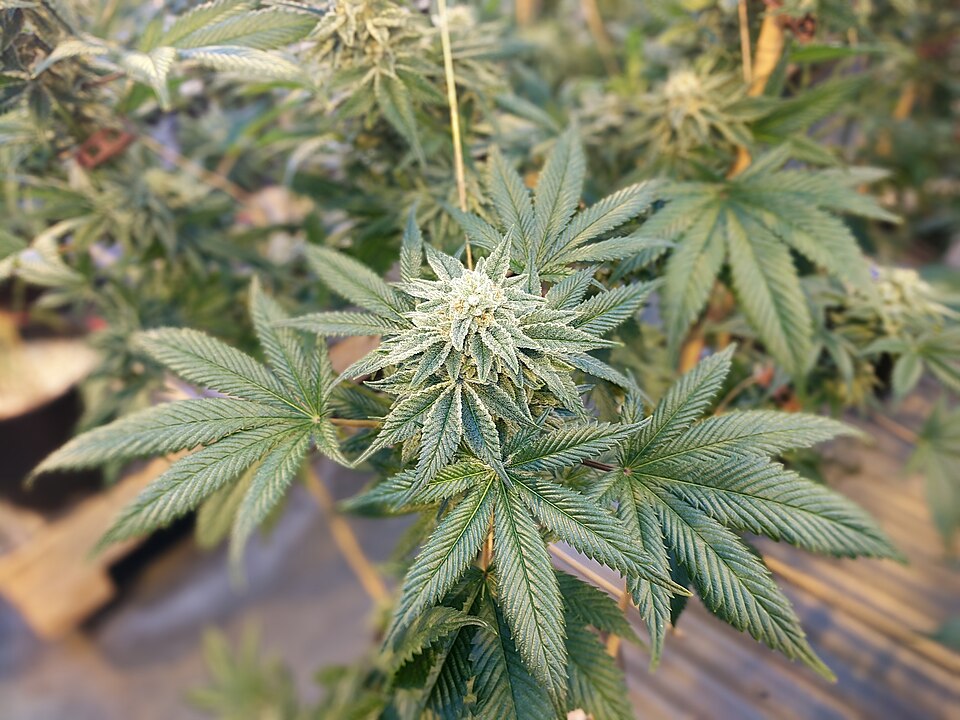 FILE — harvest · My 420 Tours / CC BY-SA 4.0
Anchorage is confronting a child care funding gap linked to declining marijuana sales, according to reporting by the Anchorage Daily News. The connection suggests that cannabis tax revenue—a source Alaska has relied on for public services—is softening, potentially creating pressure on municipal budgets dependent on that income stream.
The timing is notable given concurrent regulatory shifts in Alaska. Lawmakers have been considering a statewide marijuana sales tax (proposed in March 2026) while also advancing record-sealing and hemp regulation bills. Meanwhile, a Schedule III reclassification at the federal level (announced April 2026) could alter the legal landscape for growers and retailers statewide, possibly affecting compliance costs and market dynamics.
Watch whether Anchorage or the state pursues new cannabis tax measures or revenue diversification as a response to the shortfall—and whether regulatory changes under discussion shift cultivation or sales patterns enough to stabilize or further erode the tax base.
Original report: Anchorage Daily News ↗