Germany's Q1 2026 Cannabis Imports Revised Up 33.7% to Record 67.6 Tonnes
BfArM correction turns a reported import decline into the agency's largest-ever quarter, as Germany's medical cannabis market faces new reimbursement and legislative fights.
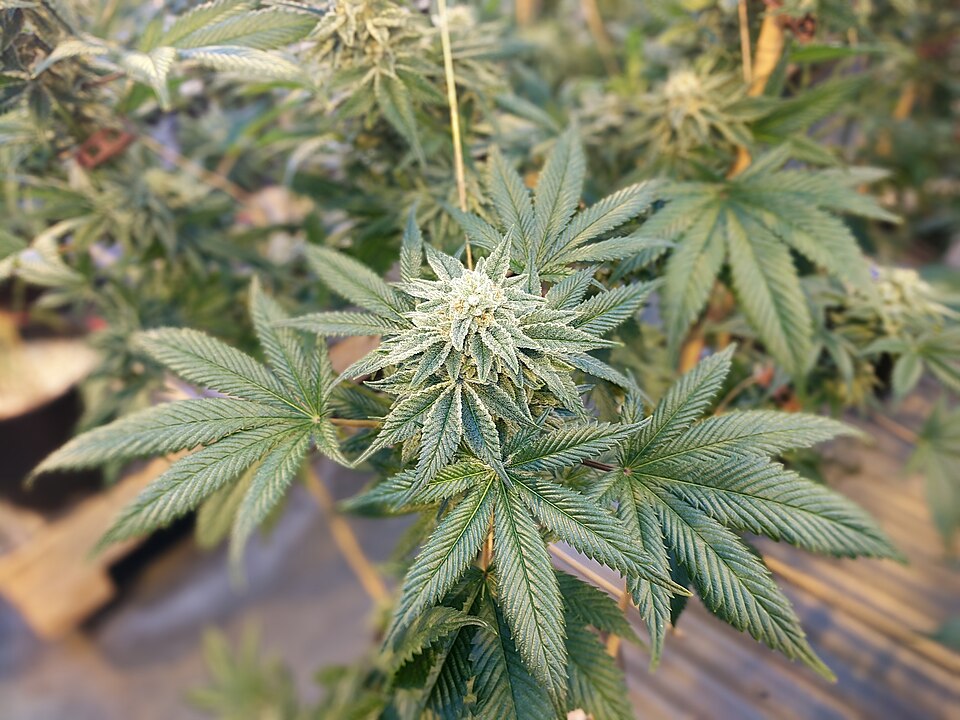 FILE — harvest · My 420 Tours / CC BY-SA 4.0
Germany's medical cannabis import figures for the first quarter of 2026 have been revised sharply upward, erasing what had been reported in May as the market's first quarterly decline in two years, according to Hanf Magazin.
The Correction
The Federal Institute for Drugs and Medical Devices (BfArM) published a correction on August 20, 2026, raising its Q1 2026 import total from 50.539 tonnes to 67.569 tonnes, a 33.7 percent increase, Hanf Magazin reported. The revised figure is now 12.1 percent higher than the 60.9 tonnes BfArM reported for the fourth quarter of 2025, making the corrected first quarter the largest the agency has ever published, per the outlet.
Hanf Magazin said Alfredo Pascual, Head of Strategy and Corporate Development at Cologne-based importer Cannamedical, flagged the revision and characterized Q1 2026 as BfArM's largest quarter on record.
Why the Numbers Keep Moving
According to Hanf Magazin, BfArM attributes the systematic understatement of initial quarterly figures to two factors: importers sometimes file volume reports after the agency's original publication deadline, and a 2024 change to separate reporting of flowers and extracts. The outlet noted that recent quarters have followed the same pattern — Q2 2025 was revised up 10.3 percent, Q3 2025 up 4.4 percent, and Q4 2025 up 6.4 percent, with no downward revisions recorded in that span. Hanf Magazin said it was retracting its own May reporting on a supposed import decline in light of the correction.
The outlet cautioned that the corrected Q1 figure covers only through March 31, 2026, before statutory health insurance cost-containment measures took effect, and said conclusions about current market conditions should not be drawn from it. Hanf Magazin also cited its own prior analysis putting UK medical cannabis imports at roughly 30 tonnes for all of 2025, underscoring Germany's position as by far Europe's largest buyer.
A Fast-Growing, Contested Market
Separately, Moneycontrol, citing the Financial Times, reported that German legal cannabis imports have risen sixfold since partial legalization in 2024, when the country allowed adult possession and home cultivation alongside expanded medical prescriptions. Moneycontrol reported medical imports climbing from 8,143 kilograms in the first quarter of 2024 to 50,539 kilograms — a figure matching BfArM's original, since-superseded Q1 2026 total, illustrating how quickly these numbers can shift between reports. Moneycontrol also cited a University of Hamburg study estimating more than 200 tonnes of cannabis were available in Germany in 2025, only 2.6 tonnes of it domestically produced, with the market valued at nearly $1 billion that year.
The growth has drawn political pushback. Moneycontrol reported that CDU and allied CSU politicians have criticized the current rules as weakening prevention efforts, and that Germany's health ministry has drafted legislation to tighten medical cannabis rules, a move opposed by the Social Democrats within the governing coalition; the outlet said the dispute is expected to return to parliament in the autumn. Moneycontrol also cited a two-year government evaluation finding increased cannabis-related hospitalizations, which researchers linked to more potent strains, alongside data showing more than half of consumers obtain cannabis outside medical prescriptions.
Industry and Regulatory Backdrop
Amid the import data, Germany's medical cannabis reimbursement framework is also in flux. A press release distributed via Yahoo Finance said Tilray Medical welcomed new guidance issued August 18, 2026 by the KBV and GKV-Spitzenverband on prescribing standardized full-spectrum cannabis extracts, while calling for further legislative clarity. Tilray Brands International President Rajnish Ohri was quoted in the release saying the guidance "represents meaningful progress and provides valuable direction for healthcare professionals navigating medical cannabis prescribing." As a company-issued release, the statement reflects Tilray's own position rather than independent reporting.
Related coverage in our database shows the reimbursement debate has already produced concrete changes: MMJDaily reported in July that Germany discontinued statutory insurance reimbursement for cannabis flower, and Mshale reported this week that the government is scaling back legalization plans to focus on home cultivation. Meanwhile, ownership activity continues in the sector — Sanity Group's reported acquisition by Canada's Organigram and Organigram's stated ambitions to use Germany as a European launchpad, per MJBizDaily, suggest continued investor interest despite the regulatory uncertainty.
What to Watch
BfArM's own disclosure that every recent quarterly figure has been revised upward, sometimes by double digits, suggests the Q1 2026 total itself may not be final. Hanf Magazin's recommendation — that a quarterly figure only be treated as reliable after the following quarter's publication incorporates late submissions — implies caution is warranted before drawing conclusions about the trajectory of Germany's cannabis market heading into autumn, when both the reimbursement debate and possible legislative changes are expected to come to a head. No official German license records or standardized sales filings were available in the material reviewed to independently verify the tonnage figures or quantify the market's dollar value beyond the Hamburg study estimate cited by Moneycontrol.
Original report: Hanf Magazin ↗