Illinois Cannabis Sales Fell to $1.5B in FY2026 as Prices Dropped, State Report Shows
Record purchase volumes didn't stop a steep drop in reported revenue and tax collections, though officials say a tracking-system change muddies the comparison.
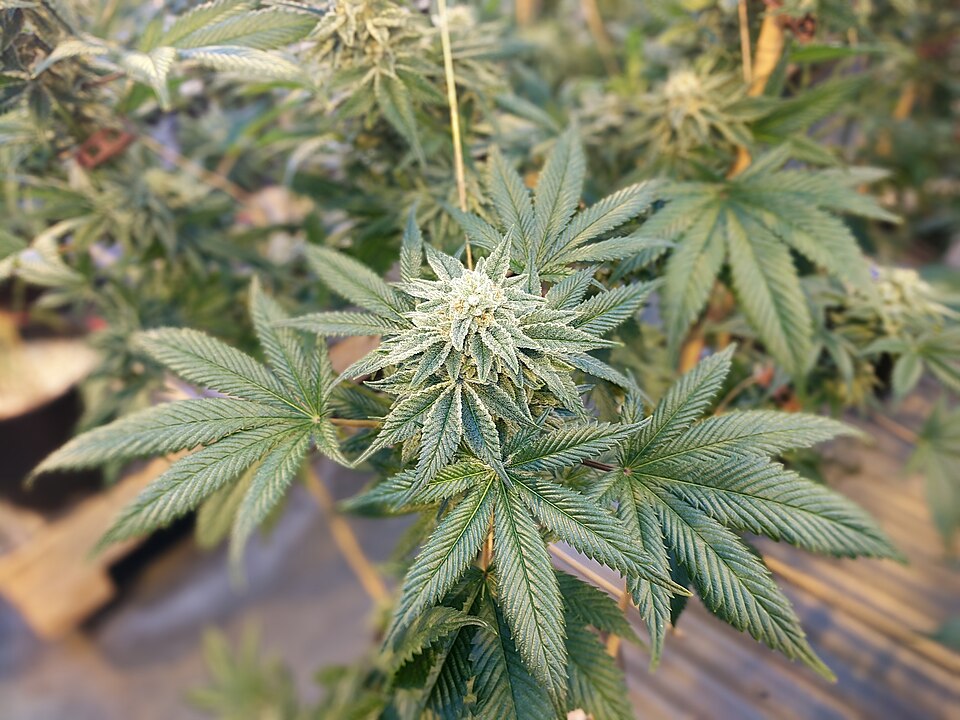 FILE — harvest · My 420 Tours / CC BY-SA 4.0
Illinois cannabis shoppers bought more products than ever in fiscal year 2026, but total reported retail sales fell to roughly $1.5 billion from nearly $2 billion a year earlier, according to the state's annual cannabis report as covered by the Chicago Tribune.
A Steep Drop, With Caveats
State cannabis retail tax revenue also declined, though less sharply, falling 3.6% to $423 million for the fiscal year that ended June 30, the Tribune reported. Part of the sales-revenue gap may stem from a switch in the state's inventory-tracking software: the old BioTrack system counted pre-discount prices, while the new Metrc system reflects post-discount totals, creating what IDFPR spokesperson Kimber Beckler called an "apples to oranges comparison," per the Tribune. Officials maintained that tax calculations stayed consistent year to year, and noted that July and August — the first months comparable under Metrc in both years — showed sales increases of about 10% and 6.6%, respectively.
More Stores, Lower Prices
Illinois added 29 new dispensaries in the fiscal year, a 10% increase in store count, the Tribune reported. A sweeping new law also let all dispensaries sell medical cannabis, authorized drive-thru and curbside service, and doubled the amount of cannabis consumers can legally possess. Recreational item sales climbed to more than 5 million in July while medical item sales continued sliding to about half a million, according to the state data cited by the Tribune. "There are more locations, and the product is more accessible, so the number of items sold is still going up; however, because of a growing supply of legal cannabis in the market, prices are dropping with dispensaries offering frequent sales and promos," Beckler told the Tribune. "This is beneficial to the consumer."
Growers Warn of 'Price Compression'
Scott Redman, founder of the Illinois Independent Craft Growers Association, told the Tribune the trend was predictable. "Overall, you're seeing price compression," he said. "That's always been expected, and it's going to continue. More dispensaries, unless they're in locations that are underserved. It just divides the pie into more pieces." A proposed rule allowing outdoor or greenhouse cultivation for edibles and infused products could push prices down further, Redman said, since outdoor growing costs less than indoor operations, per the Tribune.
Competition From Hemp and Neighboring States
Licensed dispensaries have also lost customers to unregulated intoxicating hemp products sold in convenience stores and gas stations — products set to be banned in Illinois this November and nationwide in December, the Tribune reported. Illinois has historically carried some of the nation's highest cannabis prices due to limits on growers and stores, and has ceded sales to lower-priced, less-taxed markets in Michigan and Missouri. However, the Tribune reported that the flow of Illinois sales to out-of-state residents had begun reversing since Michigan imposed a new 24% wholesale tax on recreational marijuana this year, on top of its existing 10% retail tax.
Licensing, Equity and Consolidation
The state reported 177 social equity licenses, along with 38 dispensaries majority-owned by women, 103 majority-owned by people of color, and none majority-owned by people with disabilities, according to the Tribune's review of the report. Only 29 new retail licenses were issued in fiscal 2026, down sharply from 93 the prior year and 82 the year before that, which the Tribune attributed to tightening financing. License transfers rose each year — from 21 to 36 to 50 — reflecting continued consolidation as larger operators acquire independent businesses, the newspaper reported. Regulators said they plan unspecified steps this year to improve ownership transparency, which currently remains shielded under state law.
Illicit Market Still Active
Illinois State Police reported seizing more than 47,000 pounds of illegal cannabis over the past two fiscal years, with Chicago serving as the primary Midwest distribution point, fed by oversupply from Michigan, California and Oregon, according to the Tribune's account of the police data.
Database Context
State licensing records show Illinois currently has 321 open retail licenses, 106 cultivation licenses and 55 manufacturing licenses as of early October — consistent with the store growth described in the state report. Official sales filings show total Illinois cannabis sales of about $271 million in August and $279 million in July; the underlying database lists multiple figures for each month without clearly labeling each as a specific sales category, so a precise adult-use-versus-medical breakdown cannot be confirmed from this data alone. Separately, Crain's Chicago Business reported Oct. 9 that Illinois cannabis sales were rising after a "prolonged slump," a characterization that appears to describe recent monthly upticks rather than the annual fiscal-year decline detailed in the state report — a distinction worth watching as more data emerges. Elsewhere, Illinois Times reported that Springfield has distributed roughly $2.3 million in cannabis-tax-funded grants to about 45 minority-owned businesses and homeowners since 2022, illustrating one local use of the tax revenue the state report tracks.
What to Watch
Whether the July-August sales gains persist under the new Metrc baseline, how the looming hemp-product ban affects licensed retailers' market share, and whether promised transparency measures around dispensary ownership materialize all remain open questions, based on the details disclosed so far.
Original report: Chicago Tribune ↗