Massachusetts Cannabis Sales Top $10 Billion as State Preps Social-Use Cafes, Equity Program
State regulators report a decade-long sales milestone even as social consumption rules, an equity program relaunch and a factory labor contract reshape the market.
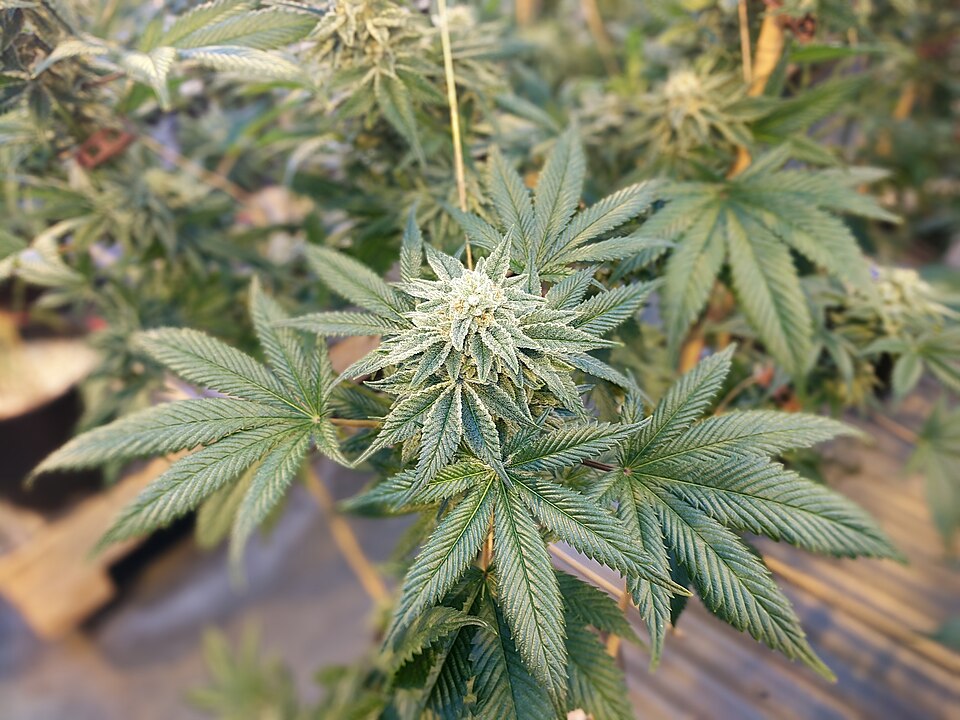 FILE — harvest · My 420 Tours / CC BY-SA 4.0
Massachusetts' legal marijuana industry has generated more than $10 billion in cumulative adult-use sales since recreational dispensaries opened in 2018, according to Massachusetts Cannabis Control Commission (CCC) data reported by New England Public Media (NEPM) on Sept. 9.
A Decade of Growth
The threshold was crossed in September, roughly ten years after Massachusetts voters approved adult-use legalization through a 2016 ballot initiative, NEPM reported. Cannabis sold at retail is taxed at the state's 6.25% sales tax plus a 10.75% excise tax, and municipalities hosting cannabis businesses may add a 3% local tax; CCC data cited by NEPM put all-time state and local tax revenue from the industry at roughly $2 billion.
NEPM reported that June 2026 was the industry's single biggest month on record, with $156 million in sales, and that the market now averages roughly $1 billion in sales per year.
'I see this as a continued projection of where the industry is going,' CCC Commissioner Xiomara Albán DeLobato told NEPM. 'We've seen steady growth overall and I anticipate that continuing to happen.'
Social Consumption on the Horizon
DeLobato said the sustained demand is informing the Commission's approach to social consumption venues — sites where customers could buy and use cannabis on-site — for which the CCC finalized regulations earlier this year, according to NEPM. She told the outlet she expects the first social consumption licenses to be issued by the start of 2027, initially available to existing dispensaries seeking to add on-site consumption.
Two additional license types are still being drafted, DeLobato said: one for consumption at approved events and festivals, and another allowing non-cannabis businesses to partner with licensed retailers to offer social consumption. 'There's innovation that's still untapped, you know, in the industry as a whole,' she told NEPM. 'So I only can see just a lot more positive growth from here.'
Equity Program Expands
Separately, the CCC opened its Social Equity Program (SEP) to new applicants on Sept. 1, with the application window running through Nov. 30, according to a CCC announcement. The agency said nearly 1,300 individuals have been accepted into the program to date, which offers training tracks, expedited license review and fee reductions for people from communities disproportionately affected by cannabis prohibition enforcement.
'The SEP helps individuals find sustainable opportunities in the cannabis industry, whether through exclusive access to licenses, or by providing ongoing support through training opportunities or the new EquityWorks Career Hub,' DeLobato said in the CCC release. Executive Director Travis Ahern added in the same release that 'hundreds of individuals have already found careers and entrepreneurship opportunities through the program.'
Labor and Industry Backdrop
The sales milestone comes as labor organizing has also advanced in the state's cultivation sector. According to the United Food and Commercial Workers International Union (UFCW), 18 cultivation, harvest, cure and pest-management workers at New England Treatment Access (NETA) in Franklin, represented by UFCW Local 1445, ratified a new one-year contract this summer after 16 months of stalled negotiations. The union said the deal includes across-the-board wage increases, a $700 ratification bonus, improved holiday and overtime pay, successorship protections and provisions requiring advance notice of automation or AI-related technology changes.
'This fight is far from over, but we have gained tremendous ground for the next round of negotiations,' shop steward and bargaining committee member Jack Shanahan said, according to the UFCW.
By the Numbers
State licensing records show Massachusetts currently has 547 open retail licenses, 162 cultivation licenses, 150 manufacturing licenses and 10 testing labs, with 14 applications pending as of early September. Official monthly sales filings in state records for June and July 2026 show multiple, non-identical figures — including entries near $0.16 billion and $0.15 billion alongside smaller figures near $0.01 billion — a discrepancy that may reflect separate reporting categories or data revisions rather than a single confirmed monthly total; it could not be independently reconciled from the available records.
What to Watch
With the first social consumption licenses not expected until early 2027, according to DeLobato, it remains to be seen how quickly existing dispensaries adopt the new format or how the state's evolving licensing pipeline — including recently reported adjustments to the retailer license cap covered by the Business Journals — will shape competition. Ongoing legal disputes, including a lawsuit from a former CCC official alleging corruption, reported by MJBizDaily, and an antitrust case involving MJ's Market reported by MLex, also suggest the industry's next phase of growth will unfold alongside continued regulatory and legal scrutiny.
Original report: MA Cannabis Control Commission ↗