Oregon Regulators Recall Cannabis Products Linked to Pesticide Bifenthrin
OLCC says vape cartridges and edibles made with contaminated extract were sold statewide for five months before the issue was caught on retesting.
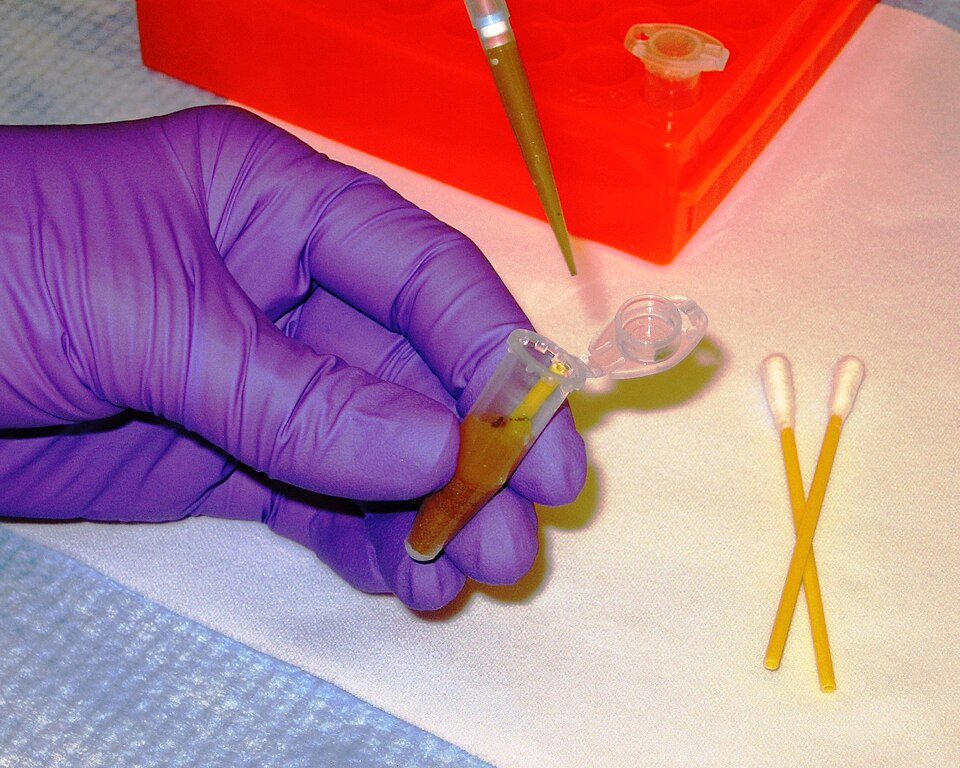 FILE — testing lab · NIST / public domain
The Oregon Liquor and Cannabis Commission (OLCC) issued a mandatory recall of cannabis products made with extract found to contain the pesticide bifenthrin, according to a bulletin the agency posted November 23, 2026.
The OLCC said the contamination surfaced during an investigation that began with a consumer complaint. Several batches of extract had initially cleared compliance testing but were flagged for bifenthrin on retesting, the agency said, adding that it is still investigating why the original tests failed to catch the pesticide.
What Was Recalled
Per the OLCC bulletin, the tainted extract was used across a range of product types, including flavored and unflavored vape cartridges and edibles such as gummies, taffy, nuts, brownies and chocolate bars. The agency said affected items were sold by recreational retailers to Oregon consumers from June 16, 2026 through November 23, 2026 — a five-month window.
The Oregon Department of Agriculture's Cannabis Reference Laboratory tested samples from two batches of the extract and confirmed bifenthrin levels exceeding limits set by the Oregon Health Authority, the OLCC said.
How the Recall Is Being Handled
The OLCC said it is using the state's Cannabis Tracking System (CTS) to trace affected inventory and notify retailers and other licensees to stop selling or distributing the products. Because unique identification numbers on labels may not always match the agency's recall database, the OLCC advised consumers to check which retailer and manufacturer they purchased from rather than relying solely on product names or UIDs.
Consumers who bought recalled items are encouraged to destroy them, according to the bulletin. Licensees have been told they may return products to the processor or transferring licensee, or dispose of them under OAR 845-025-7750, and must note in CTS that any such transfer is recall-related.
The OLCC said it has not received any health-related complaints tied to the recalled products so far, and that its investigation remains ongoing. The agency directed consumers with health concerns to the Oregon Poison Center at 800-222-1222 or their medical provider, and asked that other complaints be routed to olcc.recalls@olcc.oregon.gov.
Market Context
State licensing records show Oregon's adult-use cannabis market currently includes 750 open retail licenses, 1,346 cultivation licenses, 259 manufacturing licenses and nine testing labs, with no pending applications logged. The records do not indicate which license holders are tied to the recalled extract, and none of the manufacturers or processors named in the OLCC bulletin were identified in Cannabis Newz's licensing database as directly implicated.
State sales filings show Oregon's cannabis market generated roughly $148 million in combined sales entries for September 2026 and a similar total in October 2026, based on multiple monthly figures in the mid-tens-of-millions to roughly $75 million range; the database does not specify how these entries break down by sales channel or product category.
Separately, state license roster updates reviewed by Cannabis Newz show a cluster of Oregon cannabis businesses — including Columbia Wholesale, Blue Star Distributions, Empire Holding Group, Green Beehive, DM Distribution, Rogue's Lair Wholesale, TJ's on Powell, HASHSTORIA, Plane Jane's, Shango Premium Cannabis, Gram Central Station and Impress'd Solventless — had licenses marked no longer active as of November 21, 2026. It is not clear from available records whether any of these closures are connected to the bifenthrin recall, and the OLCC bulletin does not name any of these companies.
What to Watch
The OLCC has not disclosed which processors or brands supplied the contaminated extract, nor released results explaining why initial compliance testing missed the pesticide. Until the agency's investigation concludes, it remains uncertain how many batches, retailers or consumers were affected, and whether the lapse in testing points to a broader quality-control issue in the state's lab certification process.
Original report: Oregon OLCC ↗