Colorado Regulators Issue Two Marijuana Contamination Advisories in One Week
State officials flagged mold-tainted flower and a butane-contaminated vape days after a separate investigation found Colorado often takes months to warn consumers of tainted cannabis products.
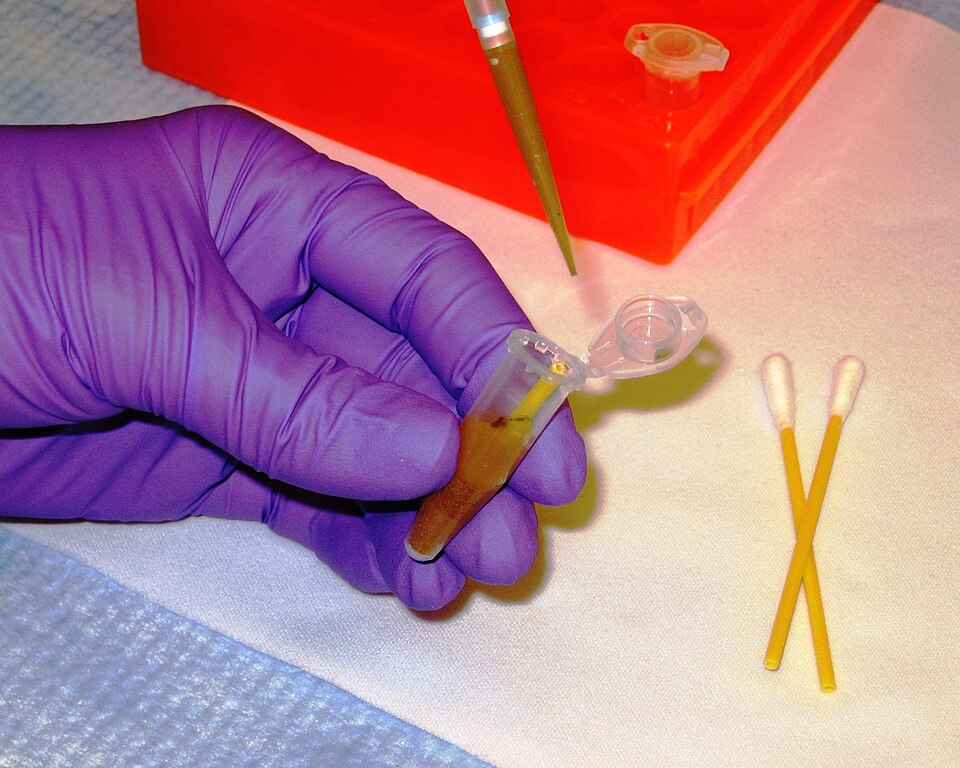 FILE — testing lab · NIST / public domain
Colorado's marijuana regulators issued two separate health and safety advisories between Sept. 11 and Sept. 15, warning consumers about contaminated flower and vape products sold at dozens of dispensaries statewide, according to Westword.
Two Products, Two Contaminants
The Colorado Department of Revenue's Marijuana Enforcement Division and the Colorado Department of Public Health and Environment jointly issued the first advisory on Sept. 11, covering deli-style flower cultivated by Navajo Management LLC, doing business as Locol Love, Westword reported. Samples failed microbial contaminant testing, with yeast and mold levels exceeding limits set by Colorado Marijuana Rule 4-215, according to the release cited by Westword. The affected batches, numbered 20260317GV2D and 20260203KM4D, were sold between April 10 and Aug. 21 at 10 dispensaries, including Elite Cannabis, Natures Medicine South Denver and Social Cannabis Dispensary in Denver.
A second advisory was issued involving vape cartridges made by CC Brands LLC, doing business as Stash House CO, after regulators found butane levels above the same rule's limits, Westword reported. The product, Batch 1576 of the "Packs" Bluecifer Berry Kush Indica 2g Vape, was sold at 43 stores statewide between Aug. 13 and Sept. 3, with 12 Denver-area locations named, including Golden Meds and Native Roots, according to Westword. In both cases, regulators advised consumers to destroy or return the products and to seek medical attention and file a report with the Marijuana Enforcement Division if they experience adverse effects, Westword reported.
Westword noted this is the second safety action involving CC Brands within a year; the company had a voluntary recall in December after regulators found pesticide levels exceeding legal limits in pre-rolled products, affecting nearly 300 dispensaries statewide, including 75 in Denver.
A Pattern of Delayed Warnings
The advisories come roughly a week after a joint investigation by the Denver Gazette and ProPublica, reported by MMJDaily, found that Colorado regulators took more than 15 months to warn the public about 1906 Midnight Drops, a cannabis sleep aid linked to acute liver injury. The state received its first complaint in March 2022 but did not issue a warning until June 2023, after the manufacturer, Sima Sciences, had already halted production, according to the investigation cited by MMJDaily.
The same investigation found that across 23 of 83 health and safety advisories issued over five years, regulators took an average of more than seven months from a first complaint or investigation start to warn the public, MMJDaily reported. The Marijuana Enforcement Division declined to release data on when most investigations began, citing ongoing probes even after warnings were issued, according to the report.
Sources quoted in the investigation pointed to structural gaps: manufacturers can select their own testing labs and samples, and MMJDaily reported that 26 of 42 state marijuana markets require independent sample collection, meaning the remaining 16 markets, including Colorado, do not. A proposal to adopt an independent-collection standard in Colorado was dropped in February 2026 after manufacturer objections, according to MMJDaily. Products that fail testing can also remain on shelves during retesting with no mandated timeframe, unlike in Missouri, where failed products are held immediately, the outlet reported. Former Denver marijuana regulator Kimberly Anzarut said delays leave "consumers exposed while products remain on shelves," and CU research professor Tess Eidem noted the division's placement inside the revenue department rather than a health agency, saying "health isn't really their primary concern," according to MMJDaily.
Market Context
State licensing records reviewed by Cannabis Newz show no separate listings matching Navajo Management LLC or CC Brands LLC, limiting independent verification of the companies' current license status. Colorado's adult-use market remains large, with state license stats showing 925 active retail licenses, 604 cultivation licenses, 315 manufacturing licenses and 14 testing labs as of mid-September. Official sales filings show Colorado's monthly cannabis sales in the roughly $95 million to $107 million range in April and May of this year, though the underlying dataset includes multiple entries per month whose categories are not specified in the filings reviewed.
Separately, state license roster data reviewed by Cannabis Newz shows a wave of license deactivations in early September, including Simply Pure, Stargazer Farms and several Bangi Firewood entries — turnover unrelated to the two advisories but indicative of ongoing churn in the licensed market.
What to Watch
It remains unclear how long regulators knew about the contamination issues at Locol Love and CC Brands before issuing this month's advisories, since neither Westword's report nor the MMJDaily investigation specifies when the underlying inspections or complaints began. Given the broader pattern the Denver Gazette/ProPublica investigation described, that timeline — and whether the state moves toward independent sample testing or mandatory retesting holds — appears likely to draw continued scrutiny from regulators, lawmakers and consumers alike.
Original report: Westword ↗