Colorado Vape Maker Recalls 49 Products for Cancer-Linked Solvent as State Testing Rule Stalls
StayCon's recall of Maui Wowie and Grape Gorilla vapes highlights a Colorado testing gap that let a lab-flagged contaminant sit unaddressed for weeks, according to ProPublica and The Denver Gazette.
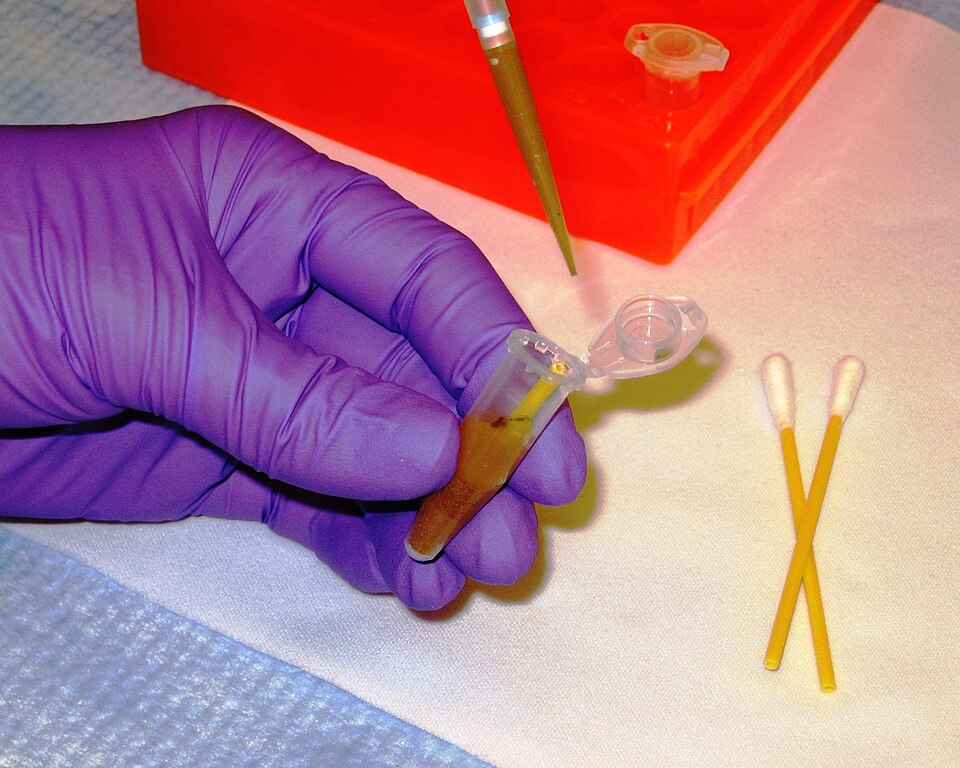 FILE — testing lab · NIST / public domain
A Pueblo County marijuana manufacturer has voluntarily recalled 49 products after a third-party lab detected methylene chloride, a solvent the Environmental Protection Agency has sought to restrict over cancer risk, according to a joint investigation by ProPublica and The Denver Gazette.
The Recall
The company, StayCon, does business as Craft and notified dispensaries last week that it was pulling vapes sold under the Maui Wowie and Grape Gorilla brand names, some of which had been on shelves for more than a year and a half, ProPublica and The Denver Gazette reported. The outlets said StayCon did not respond to questions. As of their reporting, Colorado's Marijuana Enforcement Division had not issued its own public alert about the contamination; agency spokesperson Kyle Boyd told the news organizations the division "does not comment on investigations."
Lab Findings
David Mathis, owner of Denver-based Bona Fides Laboratory, told ProPublica and The Denver Gazette he detected the methylene chloride in August during routine screening for pesticides and mold, and notified both the state and StayCon roughly six weeks before the recall notice went out. Mathis criticized the state for delaying expanded testing rules, saying his lab had been prepared to screen for the solvent since July. "How many samples were not tested but have contaminants in them and were passed to the public?" he said, according to the outlets.
A Rule Delayed
Colorado had planned to require testing for methylene chloride and 30 other solvents starting in July — a standard the outlets said was already in place in 24 of the 43 states with regulated marijuana markets — but a Marijuana Enforcement Division spokesperson told ProPublica and The Denver Gazette the state health department, which certifies labs, said it needed more time. State law already bars manufacturers from using methylene chloride, which is sometimes used to chemically convert hemp into intoxicating THC products mislabeled as marijuana, the outlets reported. The EPA banned the chemical for most uses in 2024, but the U.S. Court of Appeals for the 5th Circuit struck down that ban this month and returned the matter to the agency, according to the report.
A Pattern of Delayed Warnings
The StayCon case follows a broader pattern documented by MMJDaily, which reported that Colorado regulators took more than seven months on average, across 23 of 83 health and safety advisories issued in the past five years, to warn the public after a first complaint or investigation. MMJDaily reported that one product, a sleep aid called 1906 Midnight Drops linked to liver injury, went 15 months between the state's first complaint in March 2022 and its public warning in June 2023. Former Denver regulator Kimberly Anzarut told MMJDaily that delays leave consumers exposed "while products remain on shelves," and research professor Tess Eidem told MMJDaily that the division's placement inside the state revenue department, rather than a health agency, shapes its priorities, saying "health isn't really their primary concern." MMJDaily separately reported that 26 of 42 state marijuana markets require independent lab sample collection, a standard Colorado dropped from consideration in February 2026 after manufacturers argued it would raise costs; the outlets' reporting on related testing-alignment figures elsewhere cites different state counts, so the precise national comparison should be treated as approximate.
More Recalls This Month
Separately, Westword reported that Colorado's Department of Revenue and health department issued two joint advisories between September 11 and 15 for unrelated products: flower from Navajo Management LLC (doing business as Locol Love) that failed mold and yeast limits and was sold at 10 dispensaries between April 10 and August 21, and vapes from CC Brands LLC (doing business as Stash House CO) with excess butane sold at 43 stores between August 13 and September 3. Westword noted CC Brands had a prior recall in December over pesticide levels that affected nearly 300 dispensaries statewide.
Market Context
State licensing records show Colorado currently has 925 active retail marijuana licenses, 604 cultivation licenses, 315 manufacturing licenses and 14 testing labs. Official sales filings in our database list several monthly marijuana sales figures for Colorado in May and June 2026 ranging from about $9 million to roughly $108 million per entry; it is not clear from the available data whether these figures represent separate sales categories or overlapping totals, so a single statewide monthly sales figure cannot be reliably stated here.
What to Watch
It remains unclear when Colorado's delayed solvent-testing rule will take effect or whether the Marijuana Enforcement Division will issue its own public notice on the StayCon recall, which as of the ProPublica and Denver Gazette report had not happened despite Mathis's six-week-old warning. The scope of any consumer exposure to the recalled Craft-brand vapes, and whether other untested products contain similar contamination, has not been quantified by the state, leaving the extent of the health risk to be reasoned from lab reports rather than confirmed regulatory data.
Original report: ProPublica ↗